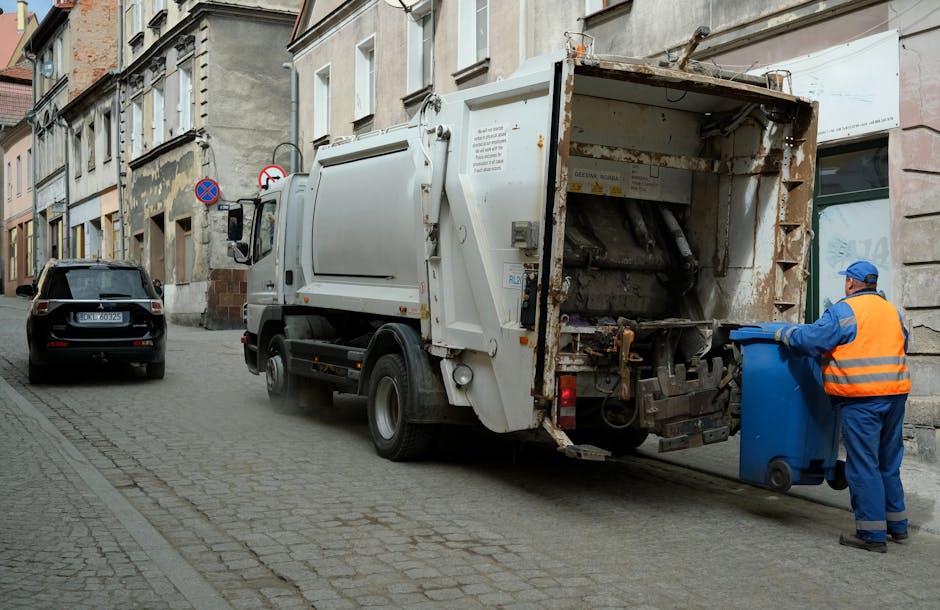
Acton bulky rubbish collection Churchfield Road guide
If you live, work, or manage a property near Churchfield Road, bulky waste has a way of becoming urgent at the most inconvenient moment. A sofa that will not fit through the hall, a broken fridge in the kitchen corner, a garage full of odds and ends, or builders' debris stacked by the door can make a place feel cramped very quickly. This Acton bulky rubbish collection Churchfield Road guide explains what counts as bulky waste, how collection usually works, what to check before booking, and how to avoid the usual headaches. The aim is simple: help you clear space without guesswork, delays, or awkward surprises.
Churchfield Road has its own rhythm. Flats above shops, family homes, side access that is never quite as wide as you hoped, and the occasional "I'll deal with it next weekend" pile that turns into a small mountain. To be fair, bulky rubbish rarely stays manageable for long. The good news is that with the right approach, clearance can be straightforward, tidy, and far less stressful than hiring a van and doing it yourself.
Below, you'll find a practical local-style guide that covers the service itself, the decision points that matter, and a realistic checklist you can use before you book. If you need broader support, services such as waste removal, furniture clearance, and house clearance are often the most relevant starting points for bulky items in and around Acton.
Table of Contents
- Why Acton bulky rubbish collection Churchfield Road guide Matters
- How Acton bulky rubbish collection Churchfield Road guide Works
- Key Benefits and Practical Advantages
- Who This Is For and When It Makes Sense
- Step-by-Step Guidance
- Expert Tips for Better Results
- Common Mistakes to Avoid
- Tools, Resources and Recommendations
- Law, Compliance, Standards, or Best Practice
- Options, Methods, or Comparison Table
- Case Study or Real-World Example
- Practical Checklist
- Conclusion
- Frequently Asked Questions
Why Acton bulky rubbish collection Churchfield Road guide Matters
Bulky rubbish is not just a visual nuisance. It can block access, create trip hazards, attract pests, and make cleaning or moving far more difficult. On streets like Churchfield Road, where properties can have tight stairwells, shared entrances, or limited kerb space, those problems show up faster than people expect.
The guide matters because bulky collection is rarely about one item. It is usually about restoring order to a room, preparing for a move, or clearing a property after a change. A mattress in one room, a wardrobe in another, and an old desk in the hallway can make a home feel unfinished for weeks. That slow drag is what people want to avoid.
There is also a practical side. Many people start by thinking, "I only need to get rid of one sofa." Then they realise the pile includes broken chairs, packaging, a rug, maybe an old appliance, and a few bits from the shed. Suddenly the job is bigger, heavier, and messier. A clear plan saves time and, honestly, a fair bit of frustration.
Expert summary: bulky rubbish collection works best when you identify the items, check access, separate anything hazardous or sensitive, and choose the removal method that fits the scale of the job. That simple sequence avoids most of the stress.
For people juggling work, children, or a move, the real value is peace of mind. You want the items gone, the space usable again, and the process to feel controlled rather than chaotic. That is really what this guide is about.
How Acton bulky rubbish collection Churchfield Road guide Works
Most bulky rubbish collection jobs follow a fairly predictable pattern. You describe what needs removing, confirm the access details, agree a price or estimate, and the team arrives to lift and load the items. If the collection is organised well, the work can be completed quickly with very little disruption.
On Churchfield Road, the practical details matter. Is there street parking nearby? Are the items on the first floor? Do they need to come down narrow stairs? Is there a shared porch or side return? Small details like these can influence how long the job takes and what equipment is needed. That is why accurate information up front is so useful.
For mixed loads, some services focus purely on bulky items, while others handle general waste, furniture, white goods, or full clearances. If you are dealing with a wider clean-out rather than one or two items, a broader service such as home clearance or flat clearance may fit better than a simple item-by-item removal. If the job involves renovation debris, builders waste clearance can be the better match.
The process often includes the following steps:
- You list the items, ideally with photos.
- You explain access, parking, and any time restrictions.
- You receive a quote or guidance on pricing.
- A collection slot is booked.
- The crew arrives, removes the items, and leaves the area tidy.
That is the standard flow. The best operators keep it simple and do not overcomplicate the job. If you have ever tried to drag a wardrobe down a stairwell while balancing on the banister, you will know why professional lifting is a relief.
Key Benefits and Practical Advantages
The obvious benefit is having the items removed. But the real advantages go further than that.
- More usable space: a cleared hallway, spare room, or garage instantly changes how a property feels.
- Less physical strain: bulky items are awkward, especially on stairs or in shared entrances.
- Faster turnaround: a proper collection is usually much quicker than trying to manage multiple trips yourself.
- Reduced risk of damage: experienced handlers are less likely to scrape walls, crack flooring, or leave a mess behind.
- Better sorting: reusable, recyclable, and disposable materials can be separated more effectively.
- Less disruption: a single organised visit is often easier than a whole weekend of lifting and van hire.
There is also a less obvious benefit: decision fatigue disappears. Once the collection is booked, the items are no longer hanging over you. That matters more than people admit. A cluttered space can quietly drain attention every time you walk past it.
If you are comparing disposal methods, you may also want to look at recycling and sustainability so you understand how different materials are handled. In many cases, separating reusable furniture from mixed waste makes the whole process cleaner and more sensible.
Who This Is For and When It Makes Sense
This kind of collection is useful for a wide mix of people. Some are simply trying to remove one badly placed item. Others are preparing for a sale, a renovation, a tenancy change, or a long-overdue declutter. It is not only for "big jobs". Sometimes the smallest jobs are the ones that bring the biggest relief.
It makes sense if you are dealing with:
- an old sofa or armchair that has reached the end of its life
- a mattress that is awkward to move and impossible to store
- a fridge, freezer, or washing machine that is no longer needed
- garage clutter, broken tools, or mixed household rubbish
- loft or cellar items that have been untouched for years
- furniture left after a move, renovation, or bereavement
- office desks, filing cabinets, or storage units that need removing
It also makes sense when timing matters. Maybe the estate agent wants the place cleared before photos. Maybe the landlord wants the flat ready for new tenants. Maybe you simply want your Saturday back. Fair enough. Not every job has to become a DIY project.
For business owners or landlords, it can be especially useful to combine bulky removal with business waste removal or office clearance if the site contains a mixture of furniture, paper waste, and general rubbish.
Step-by-Step Guidance
Here is a practical way to approach bulky rubbish collection without missing the details that tend to cause delays.
1. Make a full list of what needs to go
Walk through the property and note every item. Do not rely on memory. People often forget the small pieces that turn out to matter, like a broken coffee table, a second chair, or a disassembled shelf unit leaning behind a door.
2. Separate the different waste types
Furniture, appliances, general household rubbish, green waste, and construction debris are not always handled the same way. If you have a sofa alongside a stack of bricks or old plasterboard, it is worth flagging that early. If hazardous material may be involved, check the options for hazardous waste disposal.
3. Measure access honestly
Measure stair widths, note lift availability, and think about whether the items can be moved without dismantling. On Churchfield Road, access can be straightforward in some buildings and fiddly in others. A small misread here can create a lot of unnecessary faff.
4. Take photos before booking
A few photos are worth far more than a vague description. Snap the items from different angles and include the route out if it is tight. Good pictures help the collection team estimate labour and vehicle space more accurately.
5. Confirm what is included
Ask whether loading, labour, disposal, and sweeping up are included. You do not want to assume something is covered and then discover it is not. That is one of those little disappointments nobody enjoys.
6. Prepare the area before the team arrives
Move small valuables, clear fragile items from the route, and make sure access is open. If you can group items together safely, that usually helps the crew work faster. If the items are stored upstairs, a clear path can save a lot of time.
7. Check the finish
Once the collection is complete, walk the area and make sure nothing has been missed. This is also the moment to check for dust, loose screws, or packaging that may have been left behind.
That sounds obvious, but in real life people forget. Everyone is relieved the wardrobe is gone, and then five minutes later there is a screw in the carpet. Annoying, but avoidable.
Expert Tips for Better Results
If you want the process to go smoothly, a few small habits make a surprising difference.
- Book earlier than you think you need to: urgent bookings can narrow your choices and make the job feel rushed.
- Keep the load honest: if there are extra items, mention them. It is better to be upfront than to rework the booking later.
- Disassemble where safe: flat-pack furniture and bed frames are often easier to handle when broken down sensibly.
- Keep hazardous items separate: paint, chemicals, and similar materials should never be mixed casually with household rubbish.
- Use clear labels if several people are involved: especially in shared homes, blocks of flats, or landlord-managed properties.
- Ask about reuse and recycling: some items may be better directed into reuse or recycling streams than general disposal.
A useful rule of thumb: if something is awkward for one person to carry, it is probably worth professional handling. Not always, but often enough.
If the items include old bedding or furniture, services like mattress and sofa disposal and furniture disposal may be more specifically relevant than a broad clear-out. For appliance-heavy jobs, fridge and appliance removal is worth looking at separately.
Common Mistakes to Avoid
Most issues are preventable. The tricky part is that people usually spot the mistake after the collection has already been arranged.
- Underestimating volume: a single room can hide more waste than expected.
- Forgetting access limits: narrow stairs, parking restrictions, or timed access windows can change the logistics.
- Mixing problem items together: hazardous waste, confidential material, and general rubbish should be considered separately.
- Leaving loose parts behind: screws, drawers, shelves, and fittings often get forgotten.
- Assuming every item is accepted: some collections have exclusions, particularly for regulated or dangerous materials.
- Not checking the final space: one missed item in a loft or cupboard can undo the whole job.
There is also a subtle one: people sometimes wait until the last possible day because they want to "save money". Fair enough, but delay often makes the job more awkward, not less. The path to the front door never gets wider overnight.
Tools, Resources and Recommendations
You do not need specialist equipment for most bookings, but a few simple tools help a lot.
- tape measure for doors, lifts, and stairwells
- phone camera for clear photos
- labels or tape for sorting items
- gloves for light preparation work
- bags or boxes for small loose bits
- a notebook or list for tracking what is going
On the service side, useful pages to review before booking include pricing and quotes, book online, and insurance and safety. If you need confidence about how the provider operates, about us can also be helpful for understanding the team's approach and values.
A small recommendation from experience: keep your item list in the same order as the rooms. It sounds minor, but it makes phone calls and quotes much easier to follow. Bedroom, hall, loft, garden, garage. Simple. Clear. Much less likely to be misunderstood.
Law, Compliance, Standards, or Best Practice
When bulky rubbish is removed, the important thing is not just getting rid of it. It is getting rid of it properly. In the UK, duty-of-care style thinking matters: waste should be handled by a responsible operator, and the material should go to appropriate disposal or recovery routes. You do not need to become a legal expert, but you do need to avoid fly-tipping risks and careless disposal choices.
That means a few things in practice:
- do not leave waste on the pavement and hope it disappears
- do not give sensitive material to anyone you cannot trust
- separate hazardous or specialist items where possible
- check that the provider is insured and operates safely
- keep records or notes if the clearance is linked to a tenancy, business, or property handover
If confidential papers are involved, confidential shredding is a better route than putting documents into general rubbish. For office settings, this is especially important because mixed disposal can create avoidable privacy issues.
Best practice also includes basic site safety: clear access routes, stable lifting, sensible stacking, and no rushing on stairs. That is not dramatic stuff, but it matters. One awkward lift can turn a simple collection into a very long afternoon.
Options, Methods, or Comparison Table
There is more than one way to deal with bulky rubbish, and the best choice depends on time, access, item type, and how much you want to do yourself.
| Method | Best for | Pros | Trade-offs |
|---|---|---|---|
| Professional bulky rubbish collection | Sofas, mattresses, mixed household bulky items | Fast, low effort, less lifting, tidy finish | Usually costs more than doing it yourself |
| Self-transport to a facility | People with a suitable vehicle and time | Can be flexible if you are organised | Heavy lifting, multiple trips, disposal research |
| Skip-based disposal | Ongoing DIY or renovation waste | Convenient for larger, continuing jobs | Needs space, permits may be needed, not ideal for one sofa |
| Full property clearance | Moves, voids, bereavement clear-outs, larger mixed loads | Covers more items in one visit | Can be more than you need for a small job |
If you are unsure whether a skip-style approach fits your load, what can go in a skip is a useful reference point. It helps you compare what is suitable for skip disposal versus a more direct bulky collection.
In many Churchfield Road situations, the right answer is not the cheapest on paper. It is the one that handles access cleanly, removes everything safely, and keeps the property usable the same day. That balance matters more than people first think.
Case Study or Real-World Example
Picture a typical flat near Churchfield Road. Nothing dramatic. A worn-out two-seater sofa in the living room, a dismantled wardrobe in the bedroom, an old microwave, and a few bags of miscellaneous bits in the hallway. The homeowner had planned to deal with it over two weekends. Of course, the weekends passed, and the hallway became a sort of temporary storage zone.
What changed the job was a simple checklist. The items were photographed, access was measured, and the team was told about the narrow stair turn near the first-floor landing. Because the information was clear, the collection could be planned properly. The sofa was lifted without scraping the wall, the wardrobe pieces were removed in sequence, and the hallway was left free again within a short window.
Nothing magical happened. Just preparation, communication, and the right kind of service. And once the clutter went, the flat felt different straight away. Brighter, calmer, less cramped. A bit quieter too, which is funny because rubbish does not technically make much noise. Still, you notice its absence.
For a larger home, the same logic applies. Services like house clearance or loft clearance can be more appropriate if the scope has expanded beyond a few bulky items.
Practical Checklist
Use this before booking any bulky rubbish collection in Acton or around Churchfield Road.
- Make a complete item list.
- Take clear photos of all bulky objects.
- Measure doorways, stairs, lifts, and access points.
- Check whether parking or waiting restrictions may affect the visit.
- Separate furniture, appliances, general rubbish, and special waste.
- Remove valuables, documents, and fragile items from the area.
- Confirm whether labour, loading, and clean-up are included.
- Ask about any excluded items before the appointment.
- Prepare the route from the room to the exit.
- Do a final walk-through after collection.
If the job is connected to a rented property, move-out, or tenant change, this checklist is even more useful. It keeps everyone aligned and reduces the awkward "Oh, we forgot that part" moment. Which, let's face it, happens more often than people admit.
Get a free quote today and see how much you can save.
Conclusion
A good Acton bulky rubbish collection Churchfield Road guide should do one thing above all else: make the job feel manageable. Once you break the process into items, access, timing, and disposal type, the whole task becomes much easier to handle. That is true whether you are clearing a single sofa or preparing a whole property for its next chapter.
If you plan carefully, ask the right questions, and choose a service that fits the scale of the job, bulky waste stops being a background stress and becomes a solved problem. And that is a relief you can feel the moment the space opens up again.
Sometimes the best home improvement is not buying something new. It is simply clearing the old away and letting the room breathe again.
Frequently Asked Questions
What counts as bulky rubbish in Acton?
Bulky rubbish usually means large household or commercial items that are awkward to move by normal bin collection, such as sofas, mattresses, wardrobes, appliances, or dismantled furniture.
Can I book a bulky collection for just one item on Churchfield Road?
Yes, single-item collections are common. A lone sofa or fridge can still be worth booking if it is heavy, hard to move, or difficult to dispose of yourself.
Do I need to move the items to the pavement first?
Not necessarily. Many collection services remove items from inside the property, but access details should always be confirmed in advance. That is one of the key things to clarify before booking.
How do I prepare a flat with narrow stairs?
Measure the route, clear obstacles, and tell the provider about any tight turns or low ceilings. A few photos usually help more than a long explanation.
What happens if I have furniture and general rubbish together?
Mixed loads are common. The provider may be able to handle them together or advise on the best split between furniture clearance and waste removal, depending on the materials involved.
Are there items that cannot go in a standard bulky collection?
Yes. Hazardous materials, some chemicals, and certain specialist waste types may need separate handling. If you are unsure, check before the day of collection.
How much notice do I need to give?
That depends on demand and the size of the job. Smaller collections can sometimes be arranged quickly, but it is usually better to book early if you have a deadline or limited access window.
Is bulky rubbish collection better than hiring a skip?
For one-off items or limited access properties, bulky collection is often easier. A skip can make sense for ongoing DIY or renovation waste, especially if you will keep filling it over time.
Can office items be removed as bulky waste?
Yes. Desks, chairs, storage units, and similar items are often cleared as part of office clearance, particularly when a workspace is being refitted or vacated.
What should I do with an old sofa or mattress?
These are usually best handled through dedicated disposal routes such as sofa disposal or mattress disposal, because they are large, awkward, and not ideal for standard bin systems.
Will the team tidy up afterwards?
Many professional teams leave the area swept and clear, but it is worth checking what "tidy" means in practice before you book. A quick question saves confusion later.
How do I know the provider is operating responsibly?
Look for clear information on safety, insurance, pricing, and disposal practices. Pages like insurance and safety, recycling and sustainability, and terms and conditions can help you judge whether the service is set up properly.